
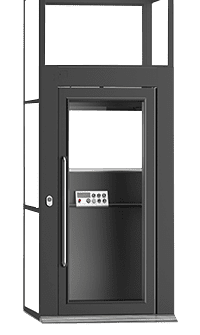
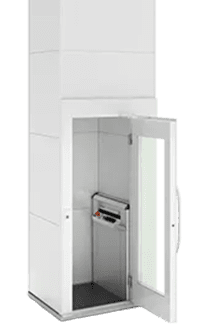
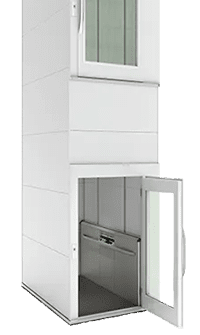
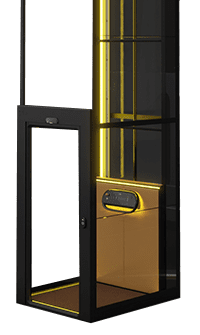
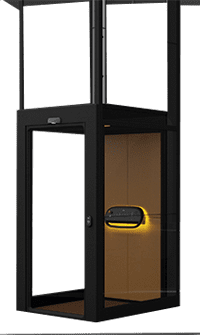
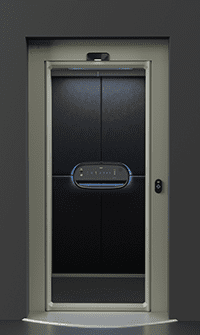
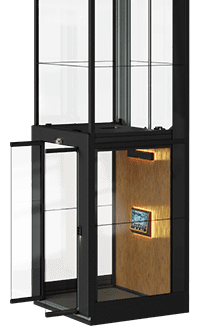



<p id=”v90-selector” style=”text-align: center; font-size: 22px; color: #fff;”>X80 Shaft Cabin Lift</p>
<p id=”x50-selector-onx30″ style=”text-align: center; font-size: 22px; color: #fff;”>X50 Platform Lift</p>
<p style=”text-align: center; font-size: 22px; color: #9dbaeb;”><span class=”underline-dark”>X30 Shaft-less Cabin Lift</span></p>



<p id=”v90-selector-onx50″ style=”text-align: center; font-size: 22px; color: #fff;”><span class=”underline-dark”>X80 Shaft Cabin Lift</span></p>
<p style=”text-align: center; font-size: 22px; color: #9dbaeb;”>X50 Platform Lift</p>
<p id=”v70-selector-onx50″ style=”text-align: center; font-size: 22px; color: #fff;”>X30 Shaft-less Cabin Lift</p>

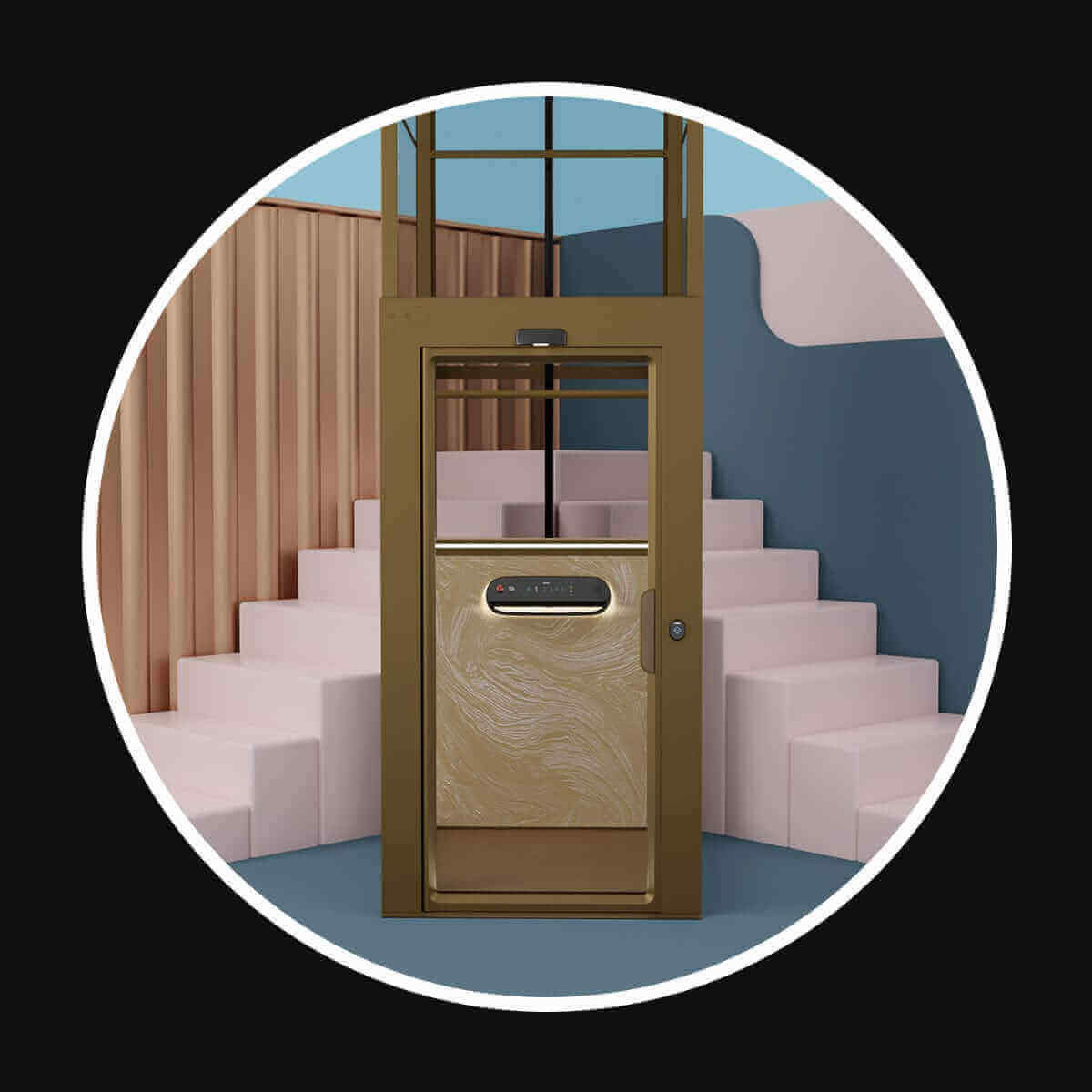
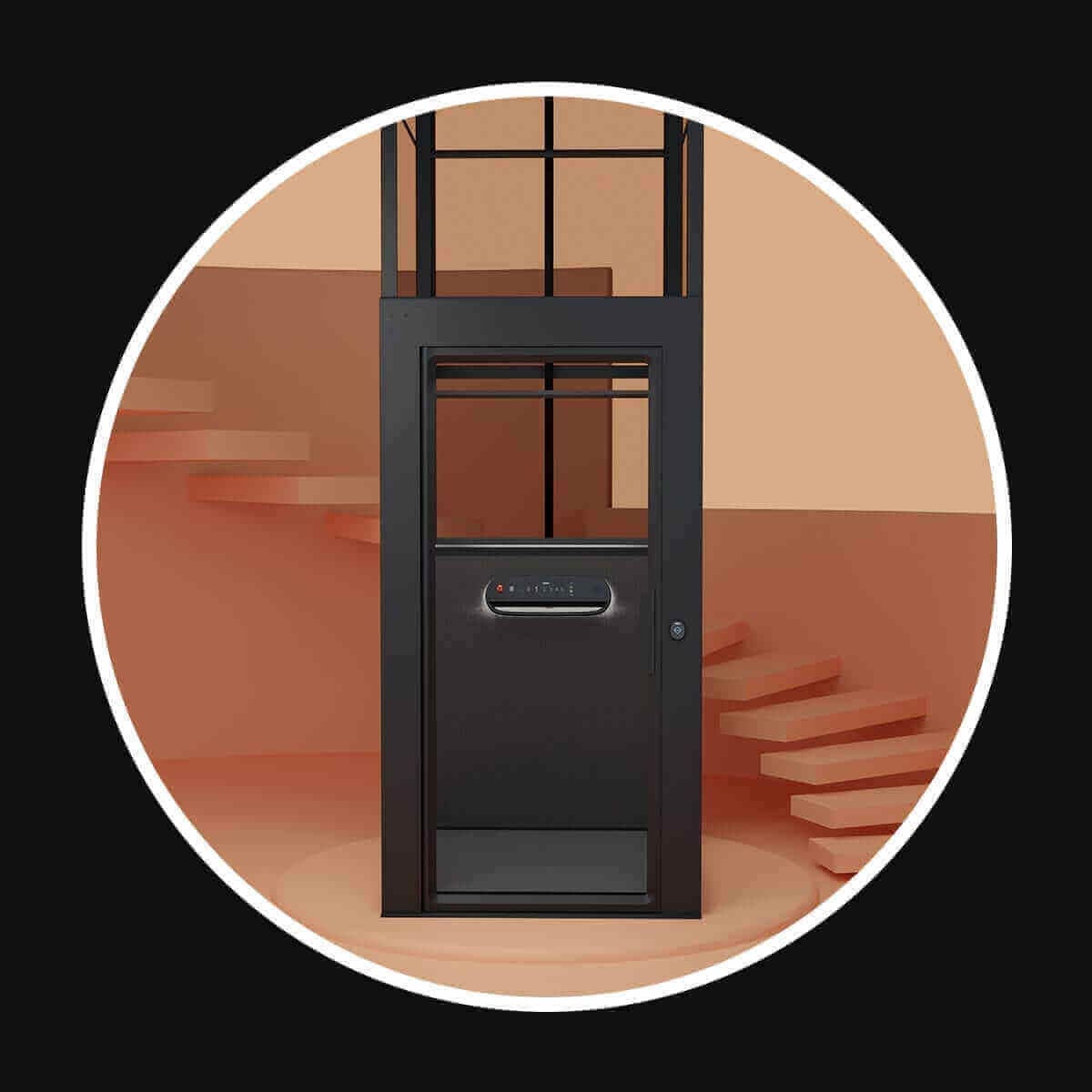
<p style=”text-align: center; font-size: 22px; color: #9dbaeb;”><span class=”underline-dark”>X80 Shaft Cabin Lift</span></p>
<p id=”x50-selector” style=”text-align: center; font-size: 22px; color: #fff;”>X50 Platform Lift</p>
<p id=”v70-selector” style=”text-align: center; font-size: 22px; color: #fff;”>X30 Shaft-less Cabin Lift</p>



Common Accidents Among the Elderly When Climbing Stairs

Aging and declining physical health are common experiences for everyone, and once-strong bodies begin to show signs of illness. Fortunately, we live in an information age, and many people are aware of the importance of making life easier for the elderly.
Of course, these changes must start in our homes. One way to improve the quality of life for our beloved elderly is to make our homes safer and less prone to accidents.Elderly Lifts Home Lifts could be a great option for your home.
In this article, let’s look at common accidents among the elderly when climbing stairs so we can find ways to prevent them before it’s too late.
What Age is Considered an Elderly Person?
There is no standard definition of the term “elderly person.” According to the Social Security Office, anyone aged 65 and older is considered a “senior citizen,” although some countries may start at age 60. However, this same criterion does not apply to all healthcare facilities. When we conduct research by gathering different groups of elderly people, such as those aged 60 to 100 years, we use the term ‘elderly’.

What are the most common accidents experienced by the elderly?
“Accidents” are unexpected events that cause damage, injury, or harm. There are many types, but the most common types experienced by the elderly are as follows:
1. Falls due to slipping
The causes may be from the surrounding environment: slippery floors, standing water, uneven surfaces, rough edges, or faulty equipment.
Sometimes assistive devices such as canes or walking sticks can contribute to falls if used improperly.
2. Traps
Causes may include carelessness or weakened physical strength, such as falls from beds, stairs, chairs, holes, and drains, which can occur frequently overall.
3. Burns and Scalds
In fact, most burn injuries in the elderly occur at home. This may be due to physical disabilities, sensory impairments, dementia, or household fires.
4. Road Accidents
Of all injuries in the elderly, the most common is car accidents. Crossing the street is the leading cause of these fatalities, accounting for 73.9% of serious accidents involving elderly pedestrians.
5. Exercise Injuries
Osteoarthritis is another common problem in older adults, particularly in the hips, knees, and spine, and can cause pain, stiffness, swelling, and loss of flexibility in the affected areas.
6. Insect Bites and Injuries
Elderly people have delicate skin, and scratching bed bug bites can cause skin tears and sores. If bed bug bites are left untreated, they can become infected and potentially fatal.
7. Cuts from sharp objects
Chopping, cutting, stirring, opening bottles, handling kitchen utensils, lifting objects, or even standing to prepare and cook food can be very discouraging when your joints are stiff, swollen, and painful.
8. Choking on food
In addition to taking the time to chew food thoroughly, good dental hygiene is key for the elderly in preventing difficulties chewing and subsequent diarrhea.

What are stair climbing accidents?
Causes include environmental factors such as falling down stairs. As people age, maintaining balance can be difficult. Therefore, learning how to make stairs safe for seniors is crucial, whether for yourself or the elderly in your home.
It’s well known that many seniors ‘fall’ while using canes to ascend or descend stairs. Most seniors don’t use canes at all, or use them incorrectly, making it difficult to be cautious.

How to Prevent Stair Accidents
Tip 1: Install Carpet
Carpet runners are narrow carpets that cover the stairs. They usually only cover most of the steps, but still expose the stairs (typically hardwood) on both sides.
Carpet can sometimes prevent slips because it provides a textured surface on the stairs instead of smooth hardwood. However, most carpets don’t have proper anti-slip backing. If not installed properly, they can pose a risk of slipping and/or tripping.

Tip 2: Add Anti-Slip Strips to Make Stairs Safer
While carpets may be a more aesthetically pleasing decoration, they may not be safe. If you’ve used them to prevent slips on hardwood floors, consider adding anti-slip strips to your stairs instead.
Anti-slip strips work by adding grip to each step. Most are custom-made with a non-slip rubber backing. They generally look like small mats for each step.

Tip 3: Install a Home Lift
“Better safe than sorry.” A lift is the fastest and safest way for seniors to go up and down stairs.
Many models are available.
At Kalea Lift, we offer a wide range of quality and flexible options for your home. Our lifts are designed for comfort and minimal maintenance. Our stairlifts are designed to your specifications. Check out our products and request a quote or contact us for more information.

Tip 4: Improve Your Lighting
As we age, our eyesight naturally declines. Inadequately lit stairs can be especially problematic, as poor visibility can make stairs hazardous. Ensure your stairs are adequately lit where needed. You can do this by installing brighter lights and adding smaller lamps. In an unobtrusive area, or with wall-mounted night lights.

Tip 5: Keep stairs safe with clear walkways.
Keeping your home clutter-free may be easier said than done. Stairs are a convenient place to temporarily store items, especially if they eventually need to go up or down. However, this can be a travel hazard for everyone in the house, not just the elderly. Stairs should never be used as a place to store things.
If an elderly person slips or falls, their injuries will be more severe than if a younger person falls. Not only are they more likely to experience fractures due to poor bone health, but they are also more likely to experience additional complications.

If an elderly person slips or falls, their injuries will be more severe than if a younger person falls. Not only are they more likely to experience fractures due to poor bone health, but they are also more likely to experience additional complications. You might consider installing: A senior lift A wheelchair lift Let KALEA Lifts recommend the best lift for your home.
KALEA Lift Showroom. Contact us today for more information on home lifts and after-sales service. We are always ready and happy to help! You can contact us for more information or receive a free catalog.
If you want to read more articles like this, please click here. Our blog area also has other informative articles
and interesting knowledge waiting for you to read.
Quick answer: Common accidents among the elderly when climbing stairs
A home lift can reduce repeated stair use, but safe access still depends on the correct model, entrance layout and user controls. The lift should be specified for the intended users, installed to the applicable standard and supported by clear operating guidance and scheduled maintenance.
Verified facts to know
- Do not bypass safety edges, door interlocks or emergency controls.
- Keep the lift entrance and moving-area clear and report unusual operation to an authorised service technician.
- Use the operating and maintenance instructions for the installed model; specifications differ across product generations.
Product facts are based on the KALEA Lift & ANTERA Lift Thailand 2026 catalogue. Project specifications vary by configuration and site conditions.
Frequently asked questions
What should you do first if a home lift behaves unexpectedly?
Stop using the lift if operation appears unsafe, keep entrances clear, follow the installed model’s operating instructions and contact the authorised service team.
Should users reset or repair internal lift components themselves?
No. Safety devices, drive components and door interlocks should not be bypassed or repaired by untrained users.
Related resources: Compare home lift options | Contact KALEA Lift & ANTERA Lift Thailand