
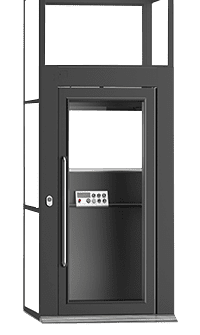
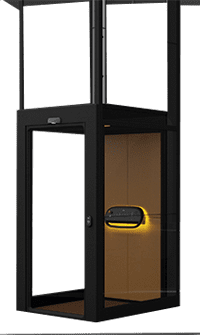
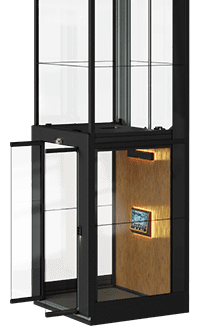



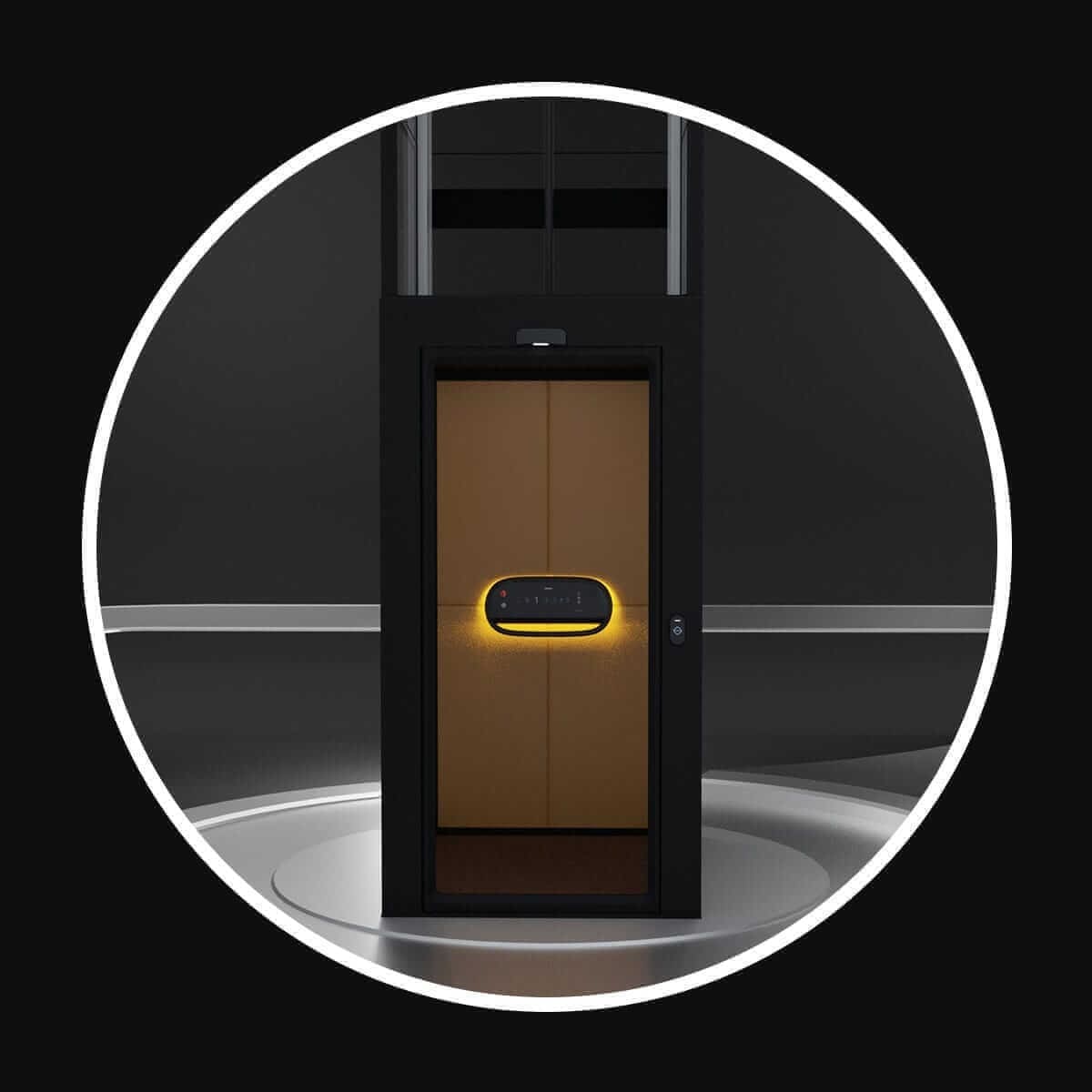
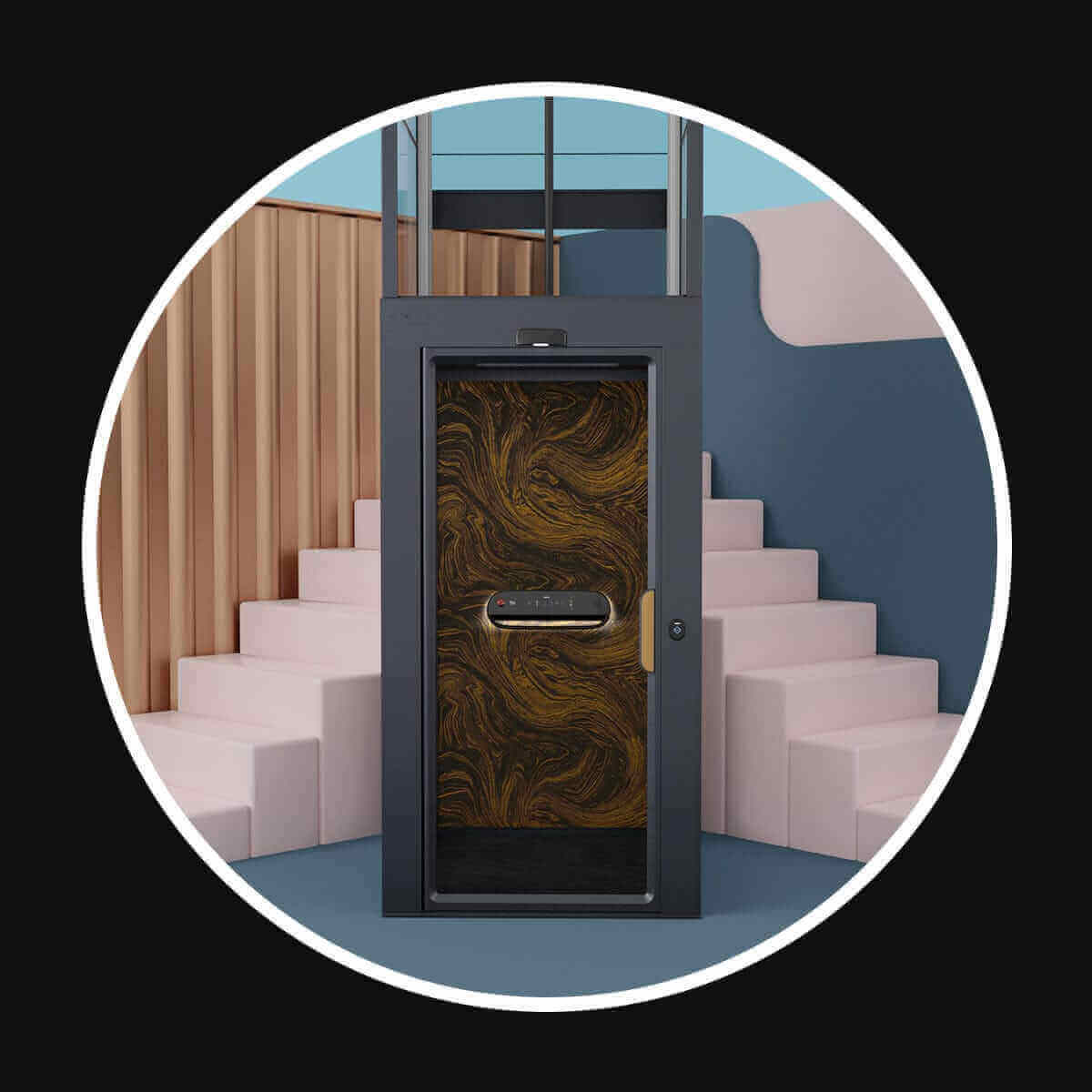
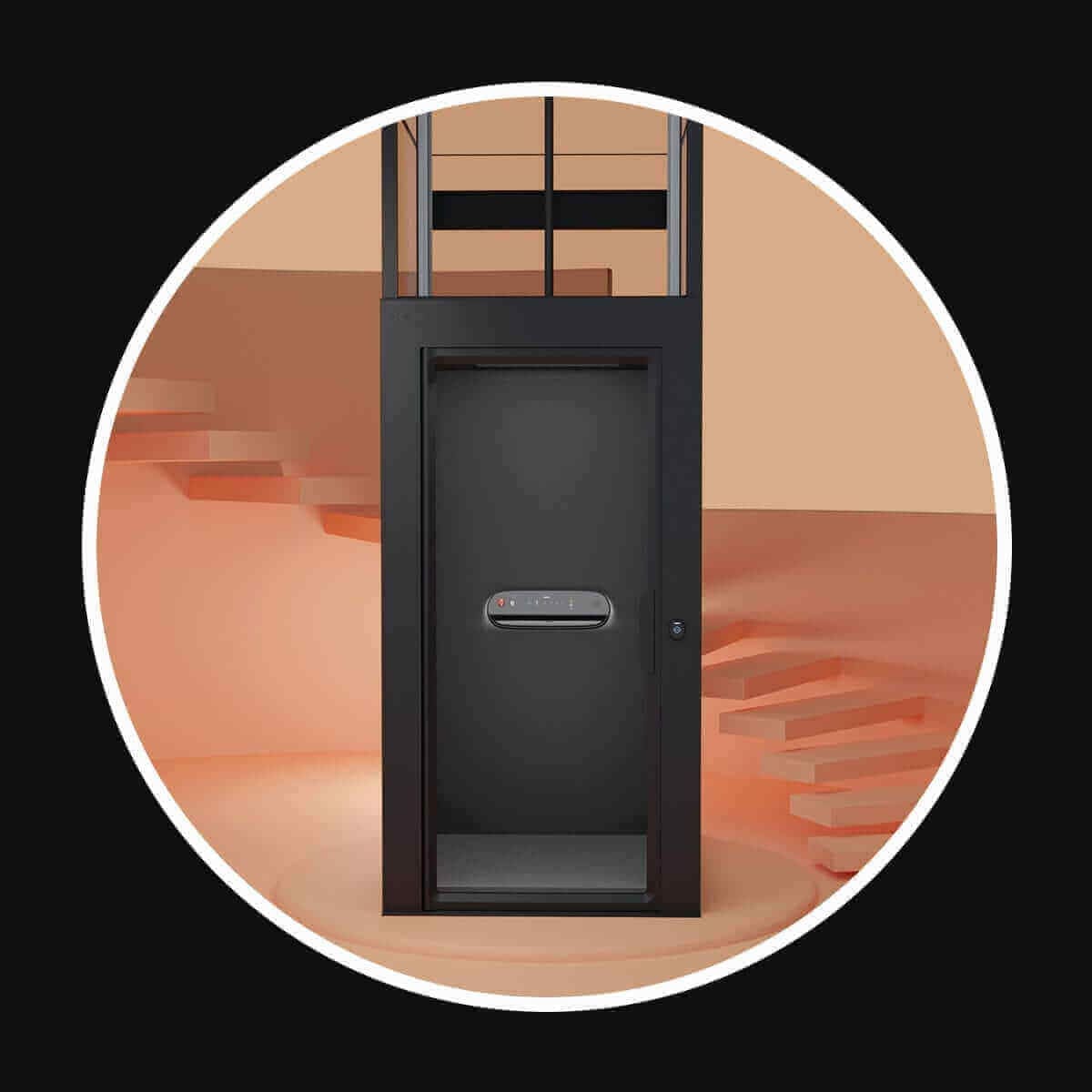
<p id=”v90-selector” style=”text-align: center; font-size: 22px; color: #fff;”>X80 Shaft Cabin Lift</p>
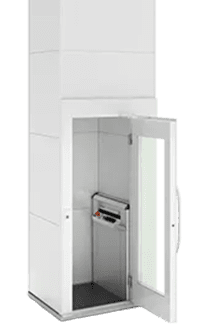
<p id=”x50-selector-onx30″ style=”text-align: center; font-size: 22px; color: #fff;”>X50 Platform Lift</p>
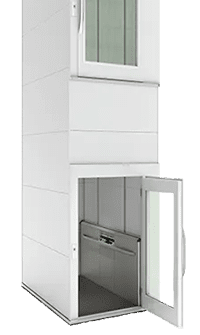
<p style=”text-align: center; font-size: 22px; color: #9dbaeb;”><span class=”underline-dark”>X30 Shaft-less Cabin Lift</span></p>
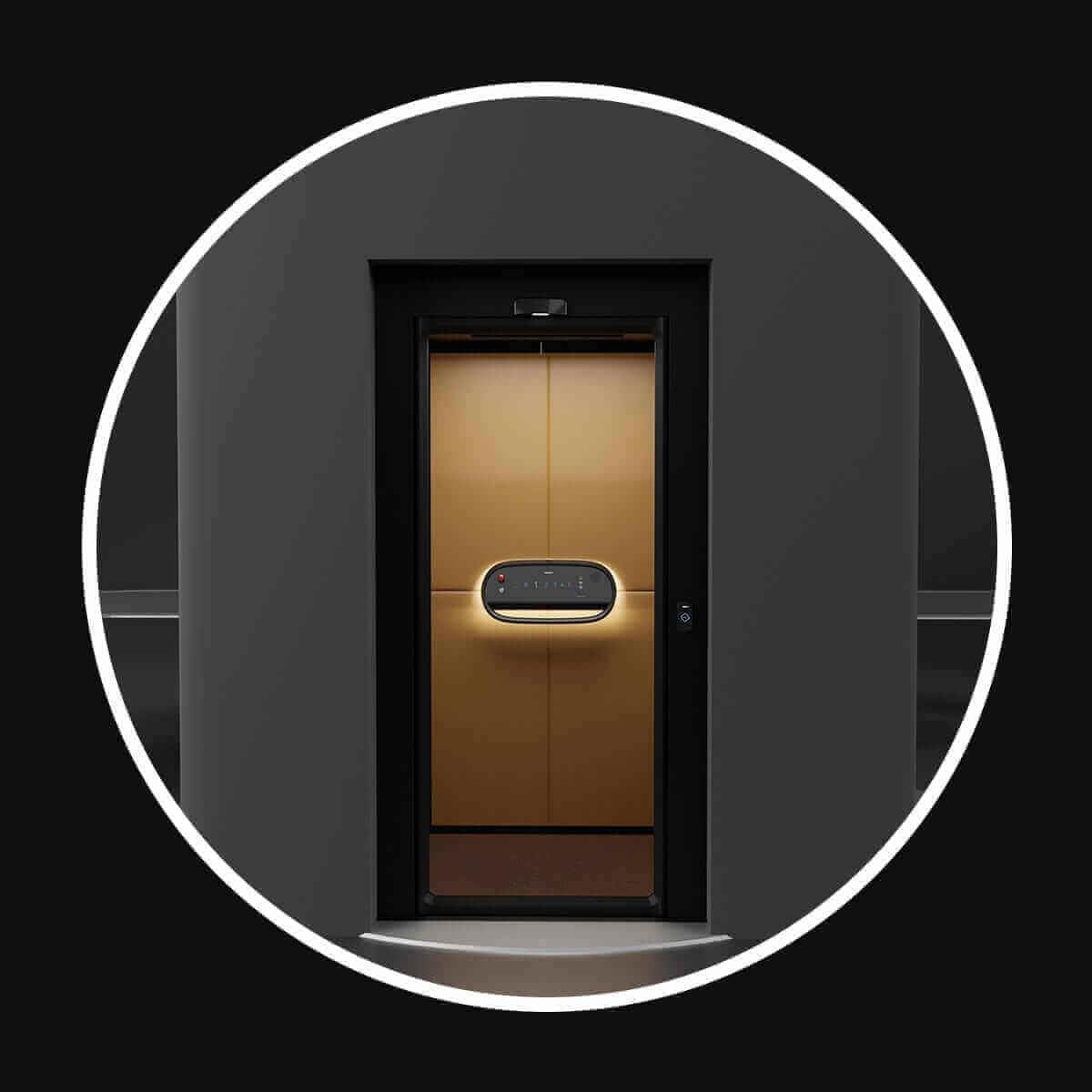

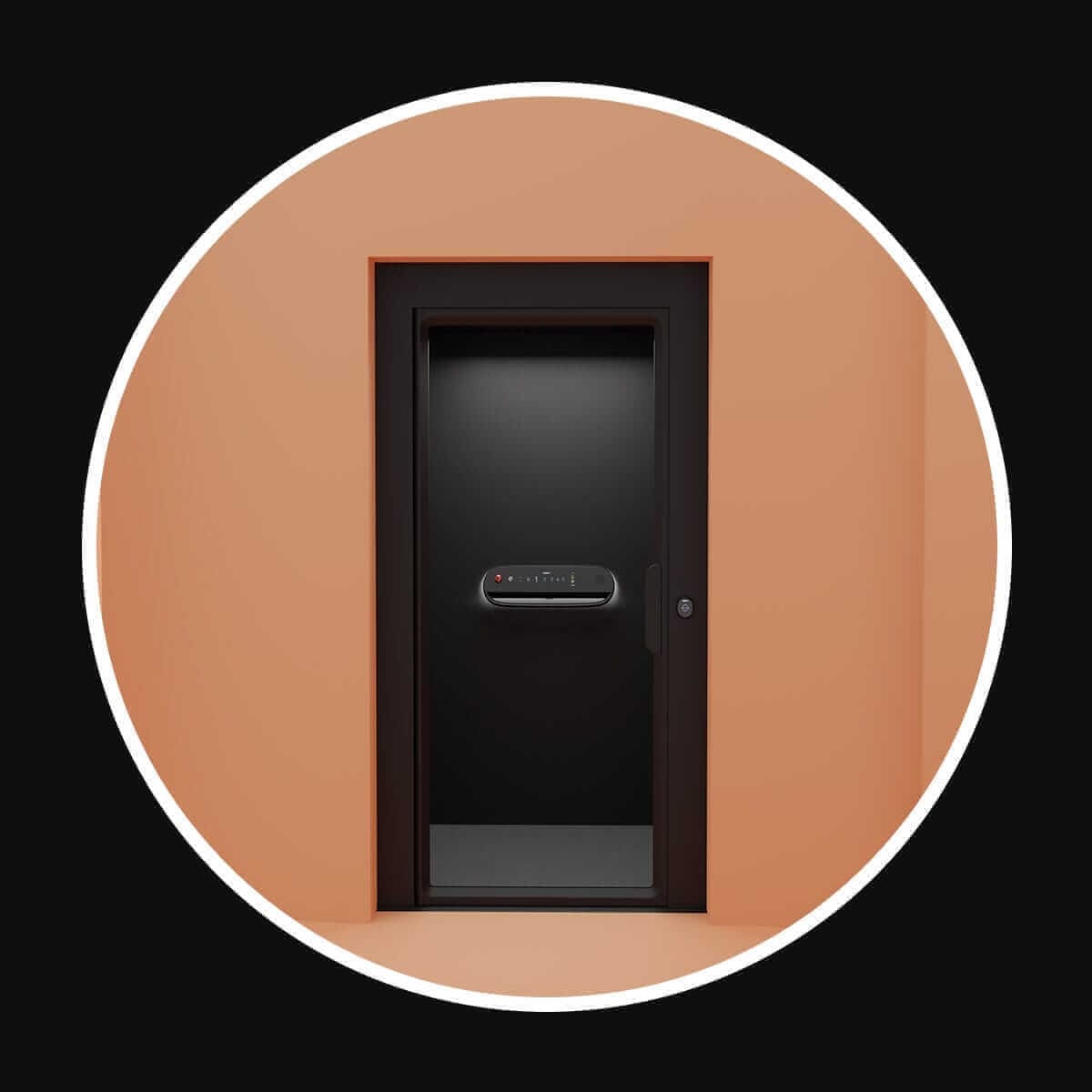
<p id=”v90-selector-onx50″ style=”text-align: center; font-size: 22px; color: #fff;”><span class=”underline-dark”>X80 Shaft Cabin Lift</span></p>
<p style=”text-align: center; font-size: 22px; color: #9dbaeb;”>X50 Platform Lift</p>
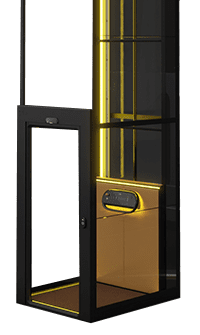
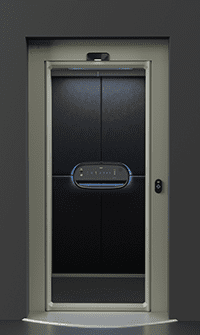
<p id=”v70-selector-onx50″ style=”text-align: center; font-size: 22px; color: #fff;”>X30 Shaft-less Cabin Lift</p>
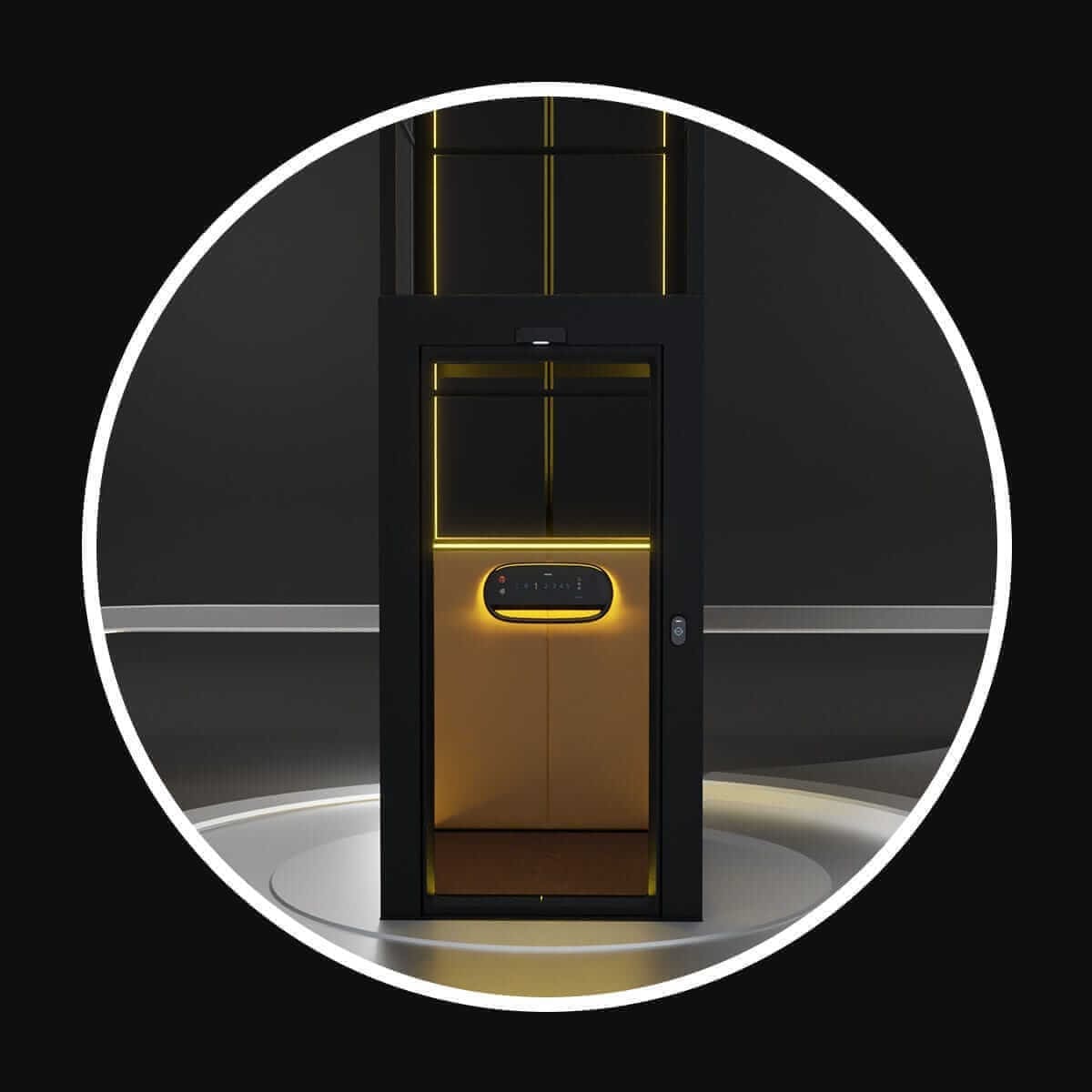
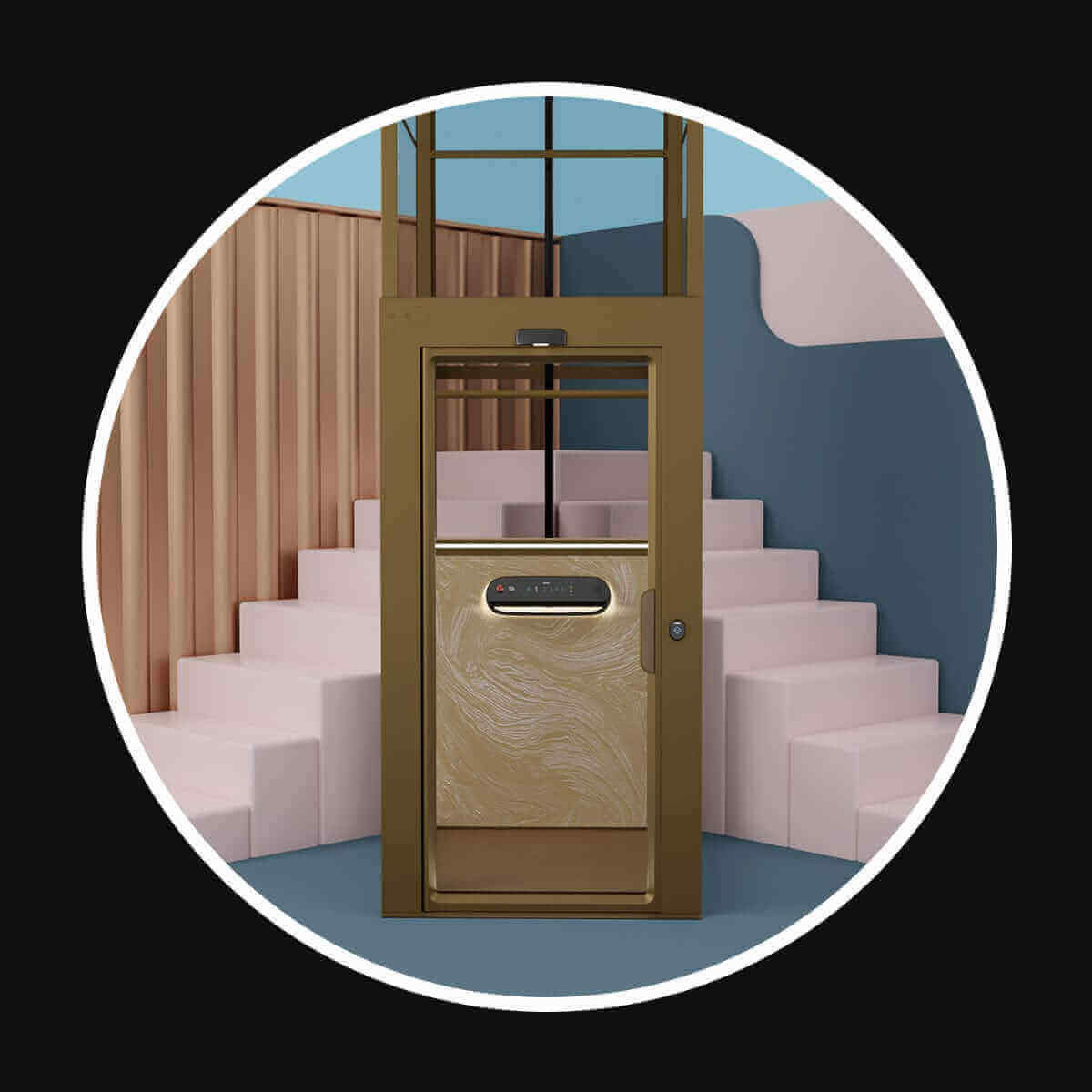
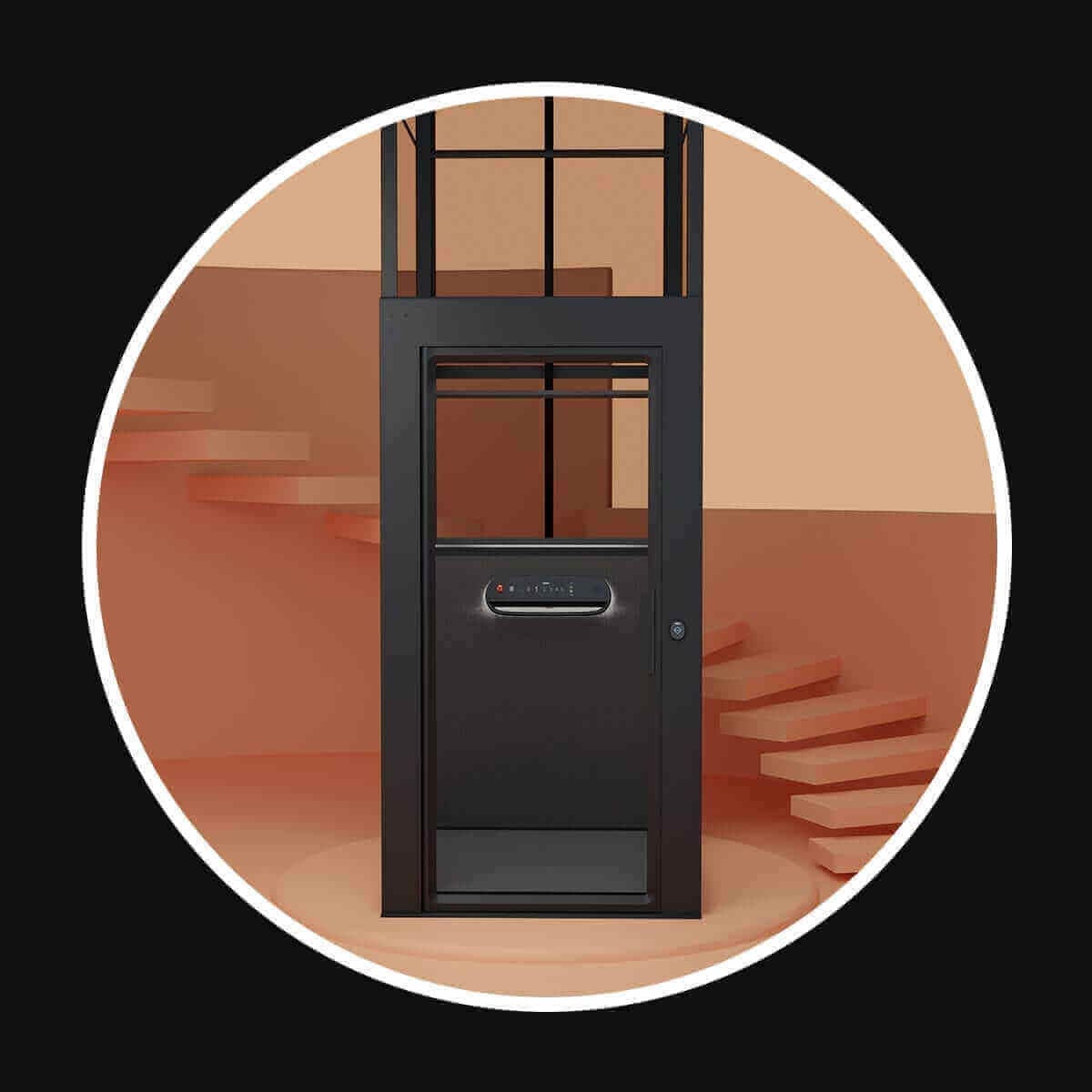
<p style=”text-align: center; font-size: 22px; color: #9dbaeb;”><span class=”underline-dark”>X80 Shaft Cabin Lift</span></p>
<p id=”x50-selector” style=”text-align: center; font-size: 22px; color: #fff;”>X50 Platform Lift</p>
<p id=”v70-selector” style=”text-align: center; font-size: 22px; color: #fff;”>X30 Shaft-less Cabin Lift</p>
The Difference Between Home Lifts and Stairlifts

Stairlifts and home lifts are both mobility devices used in residences, but they serve different purposes and have different features. A stairlift, or chair lift, is for people who have difficulty climbing stairs. Most stairlift users can walk, even if they experience conditions that cause pain when climbing stairs (such as osteoarthritis) or conditions affecting balance, so they no longer feel safe using stairs. Home safety should not be overlooked, as it directly affects everyone in the house. Accidents can always happen, and stairs are one dangerous spot because it’s easy to misstep, especially if you go up and down them all day.
Just a few years ago, people only installed stairlifts after falls, but now we have customers installing stairlifts to prevent falls in the first place. This type of preventative measure gives users more freedom and peace of mind for their families.
The differences between home lifts and stairlifts are as follows:

“Stairlift” – a device that helps you safely climb and descend stairs.
1. Purpose of Use
Staircase Lift: A staircase lift, also known as a stair chair or staircase lift, is specifically designed to transport people up and down stairs. It consists of a motorized chair or platform connected to a rail system installed along the stair treads. The user sits on the chair or stands on the platform and is safely lifted up or down the stairs.
Home Lift: A home lift, also known as a residential lift or house lift, is a vertical transport system that allows people to move between floors or levels within a building. It generally consists of a small enclosed cabin or platform that moves vertically along a shaft, making it convenient and accessible for navigating multiple floors in a home.

2. The Installation of the Two Types of Lifts Differs
Staircase Lift: A staircase lift is installed on existing stairs and does not require major structural modifications to the building. It can be installed on straight or curved staircases, and the rail system is typically attached to the stair treads or the wall beside the stairs.
Home Lift: A home lift requires a more extensive installation as it needs a shaft or specific space to accommodate the lift system. This involves construction and building modifications. Home lifts can be designed to fit various layouts, including through-floor models that are installed between existing floors.
However, KALEA Lifts don’t require a machine room, saving space, eliminating the need for complicated pit excavation, and are wheelchair accessible.

3. Capacity, Number of People, Weight, and Accessibility
Stairlifts: Stairlifts are primarily designed for personal use and generally carry a weight of approximately 136 to 181 kilograms, depending on the model. They are suitable for individuals with mobility issues who can easily move in and out of seating areas or platforms.
Home Lifts: Home lifts are generally larger and have a higher weight capacity compared to stairlifts, ranging from approximately 227 to 454 kilograms or more, depending on the model. They can accommodate multiple passengers, including wheelchair users, providing greater accessibility within a home.

4. Flexibility
Stairlifts: Stairlifts are designed specifically for climbing stairs and cannot be used to ascend and descend levels in homes without stairs. They are a practical solution for individuals who have difficulty climbing stairs but don’t want to go up multiple flights of stairs.
Home Lifts: Home lifts offer greater flexibility as they can access any level of a house or building, regardless of the number of stairs. Ideal for individuals with greater mobility needs or for those seeking a long-term solution that accommodates future physical changes.
Enhances your home’s interior decor.
While stairlifts are often associated solely with the elderly, home lifts hold a far more exclusive image. Residential lifts are not only practical but can also be a stunning architectural addition. That’s why home lifts are often considered a luxury item in interior design. Nothing is quite as striking, stylish, elegant, and luxurious as a private lift that takes you directly to your beautiful living room or master bedroom. With a wide range of finish and material options available, you have the possibility to create a lift that truly elevates your interior decor.
It’s worth noting that while screw-type lifts have advantages, they may not be suitable for every situation. Factors such as building height, expected use, and specific accessibility requirements should be considered when choosing the right type of lift for a particular application. Consulting with lift experts or specialists can help determine the best solution based on individual needs and building specific requirements; a stairlift might be more suitable for your home depending on individual needs.
These are just some considerations in creating a senior-friendly home. Consulting with experts in fields such as architecture, interior design, and occupational therapy can provide advice tailored to specific needs and preferences.
So, what type of lift is best?
Certainly, it could be said that a home lift is the best solution if you only consider the property value. However, there is no easy answer to this question. What is the best solution for you depends on your desires and circumstances. For one person, a stairlift might meet their needs, while for another, it might not. Adding a home lift to your home, you will get the same convenience as a stairlift, but with the added advantages of a home lift, which might be more suitable for some people.
Weigh all the pros and cons for yourself and choose the lift that best suits your situation and needs. Do you want more information about our home lifts? Then contact us or request a free quote.
————————————————————————————————————————————————————————————————
KALEA Lift Showroom. Contact us today for more advice on home lifts and after-sales service. We are always ready and happy to help! You can contact us for more information or to receive a free catalog.
If you want to read more articles like this, please click here. Our blog area also has other informative articles.
And interesting knowledge awaits you.
Quick answer: The difference between a home lift and a stairlift
A home lift travels vertically between floors and can accommodate a wider range of users and mobility needs, while a stairlift carries one seated person along an existing staircase. The right choice depends on the building layout, available space, user mobility, number of floors and long-term accessibility needs.
Verified facts to know
- KALEA and ANTERA screw-driven models are specified according to available space, travel height, entrances and intended load.
- The 2026 catalogue lists EN 81-41 and MD 2006/42/EC among the applicable product standards for the current X and Z ranges.
- A site survey is required to confirm cut-out dimensions, pit or ramp solution, headroom and installation scope.
Product facts are based on the KALEA Lift & ANTERA Lift Thailand 2026 catalogue. Project specifications vary by configuration and site conditions.
Frequently asked questions
What should you compare before choosing a lift type?
Compare user needs, space, number of floors, rated load, entrance arrangement, building work, safety standard, service support and lifetime operating requirements.
Is one lift type suitable for every building?
No. The correct solution depends on the building and its users, so dimensions and technical requirements must be checked for each project.
Related resources: Compare home lift options | Contact KALEA Lift & ANTERA Lift Thailand