
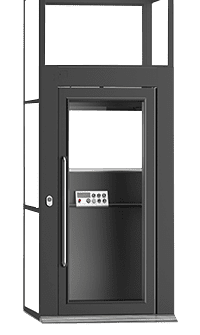
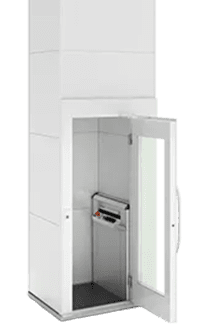
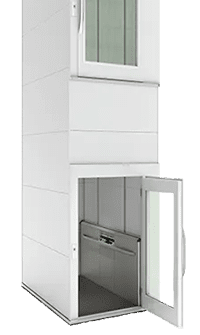
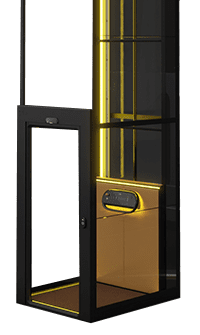
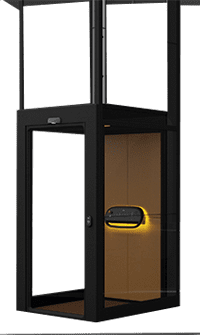
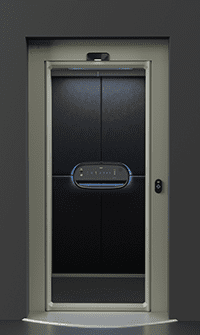
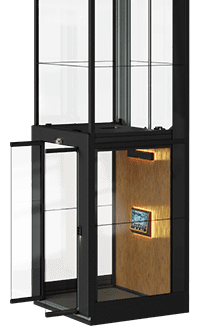



<p id=”v90-selector” style=”text-align: center; font-size: 22px; color: #fff;”>X80 Shaft Cabin Lift</p>
<p id=”x50-selector-onx30″ style=”text-align: center; font-size: 22px; color: #fff;”>X50 Platform Lift</p>
<p style=”text-align: center; font-size: 22px; color: #9dbaeb;”><span class=”underline-dark”>X30 Shaft-less Cabin Lift</span></p>
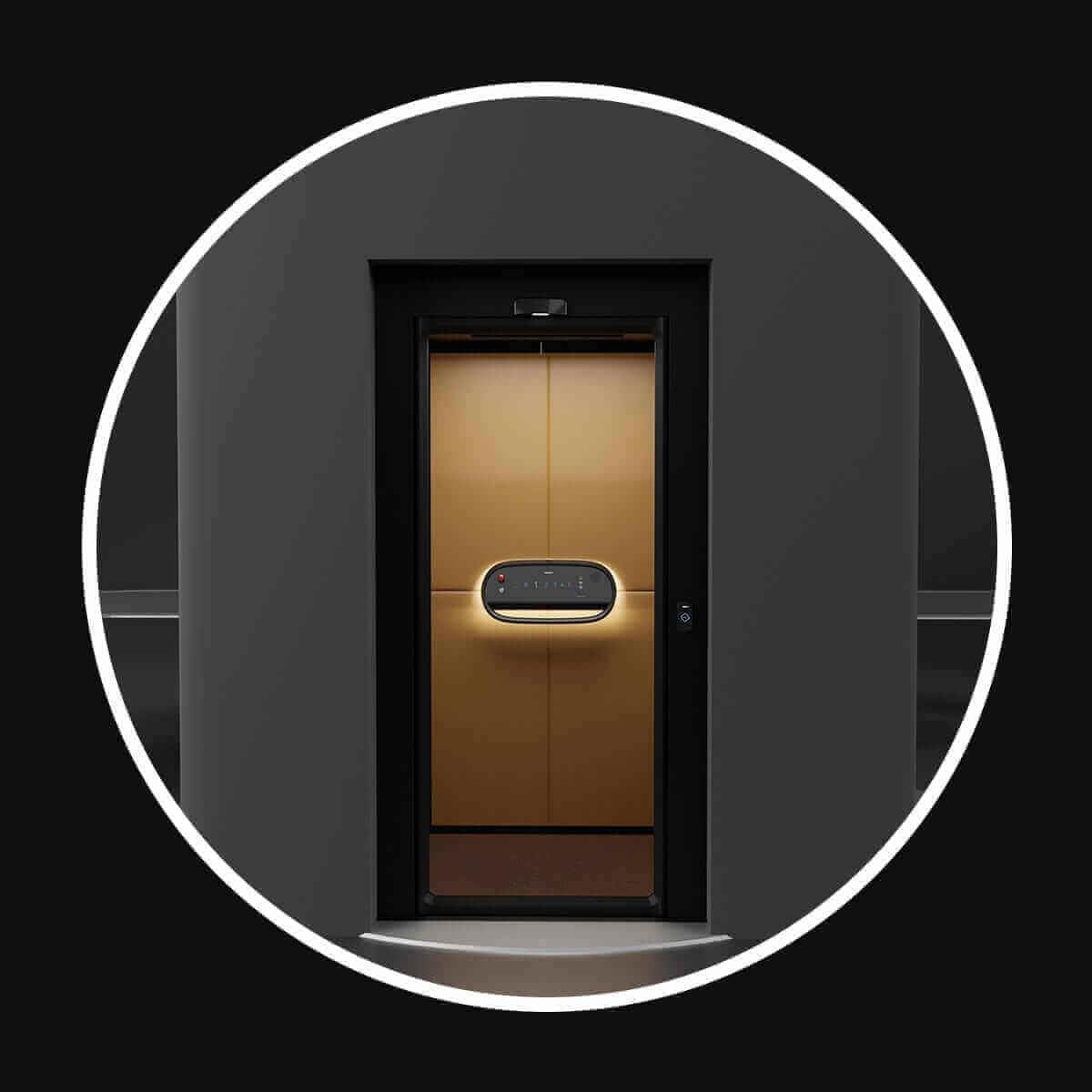

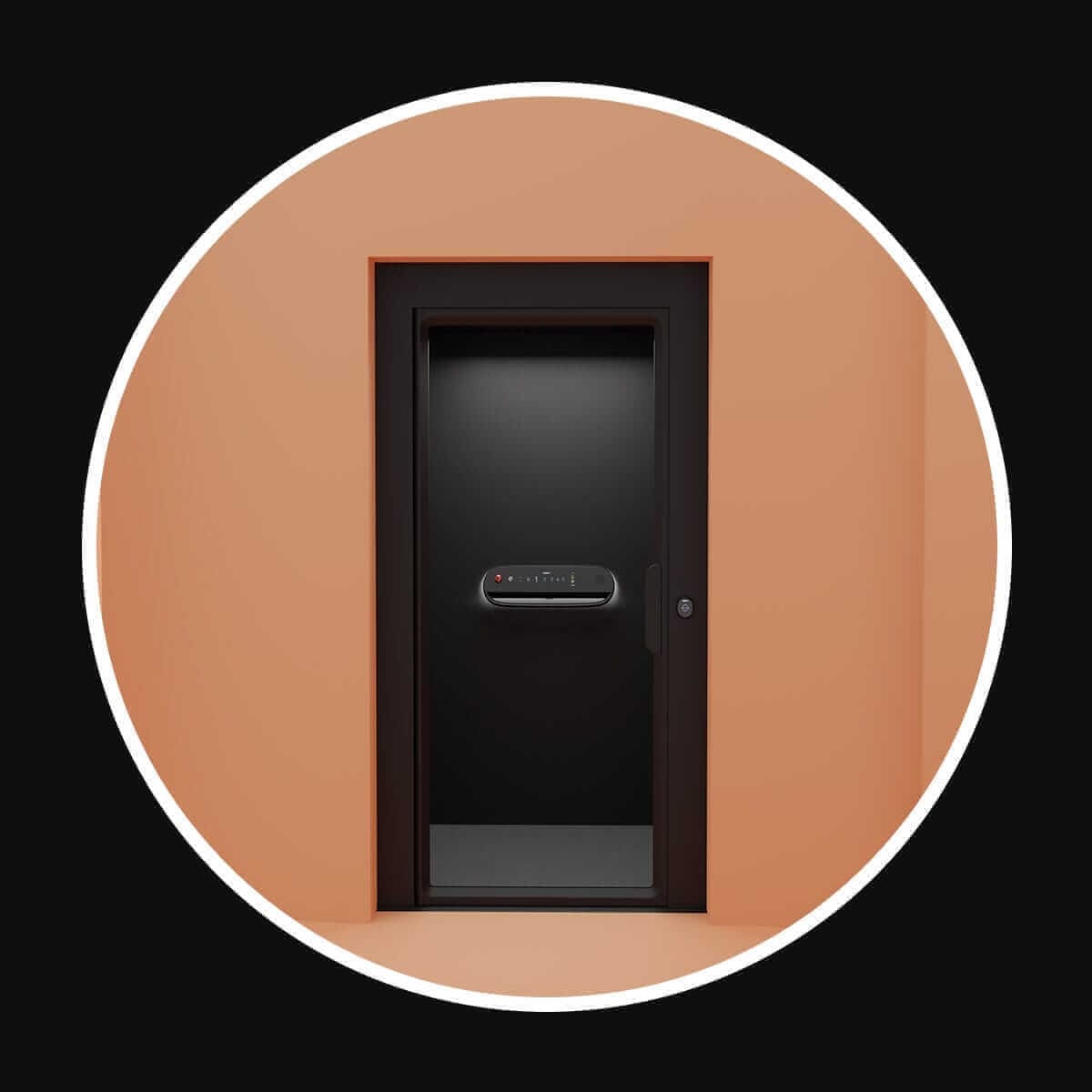
<p id=”v90-selector-onx50″ style=”text-align: center; font-size: 22px; color: #fff;”><span class=”underline-dark”>X80 Shaft Cabin Lift</span></p>
<p style=”text-align: center; font-size: 22px; color: #9dbaeb;”>X50 Platform Lift</p>
<p id=”v70-selector-onx50″ style=”text-align: center; font-size: 22px; color: #fff;”>X30 Shaft-less Cabin Lift</p>
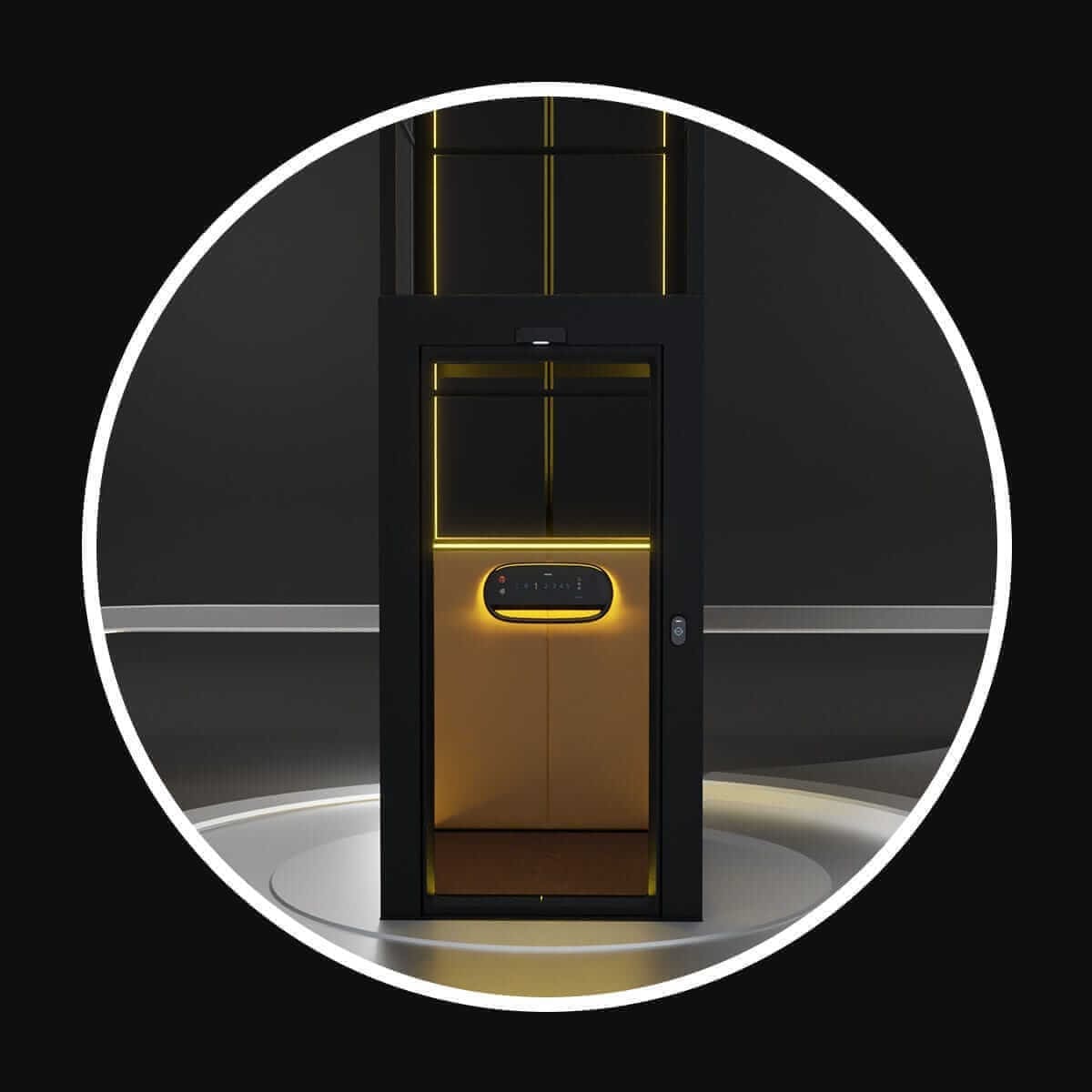
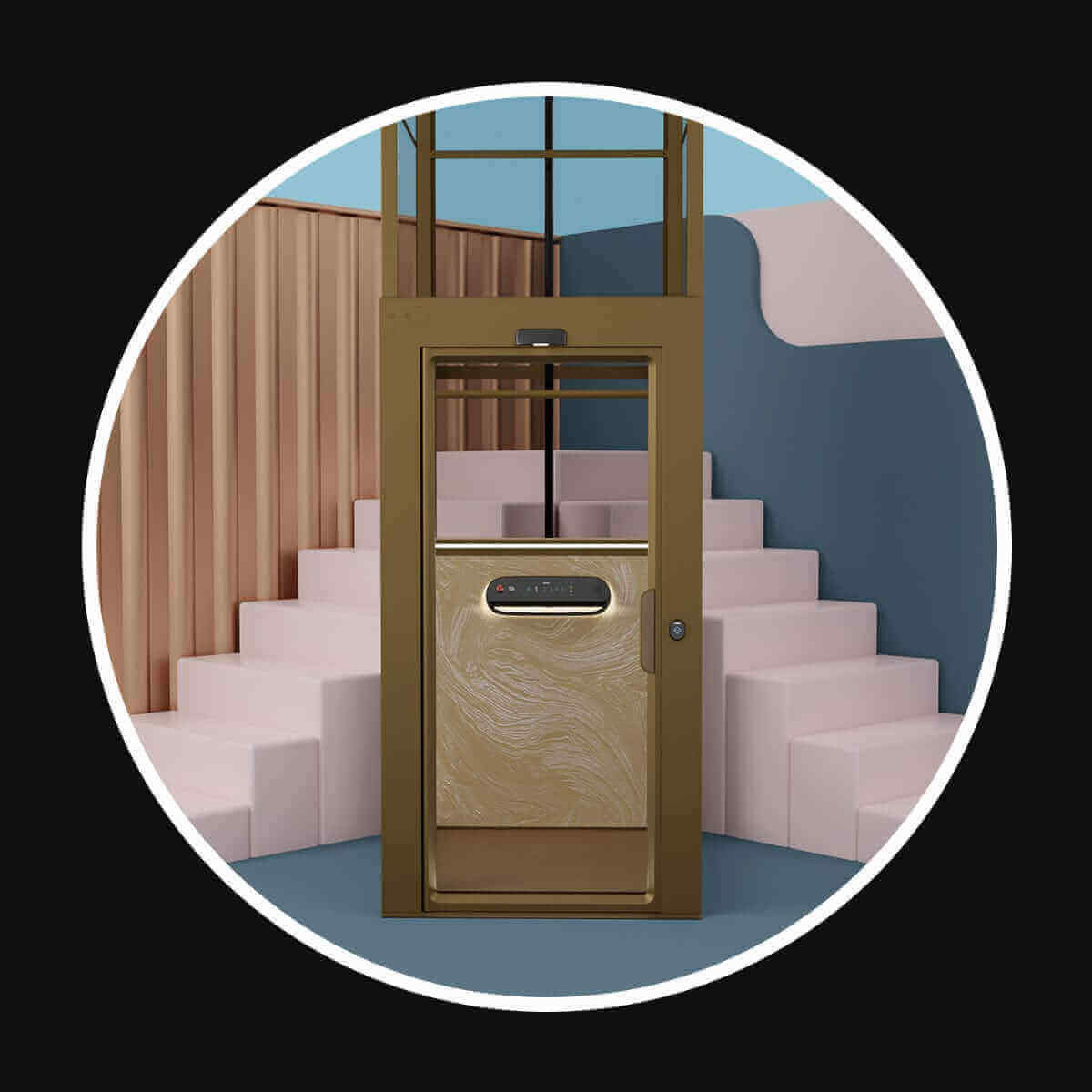
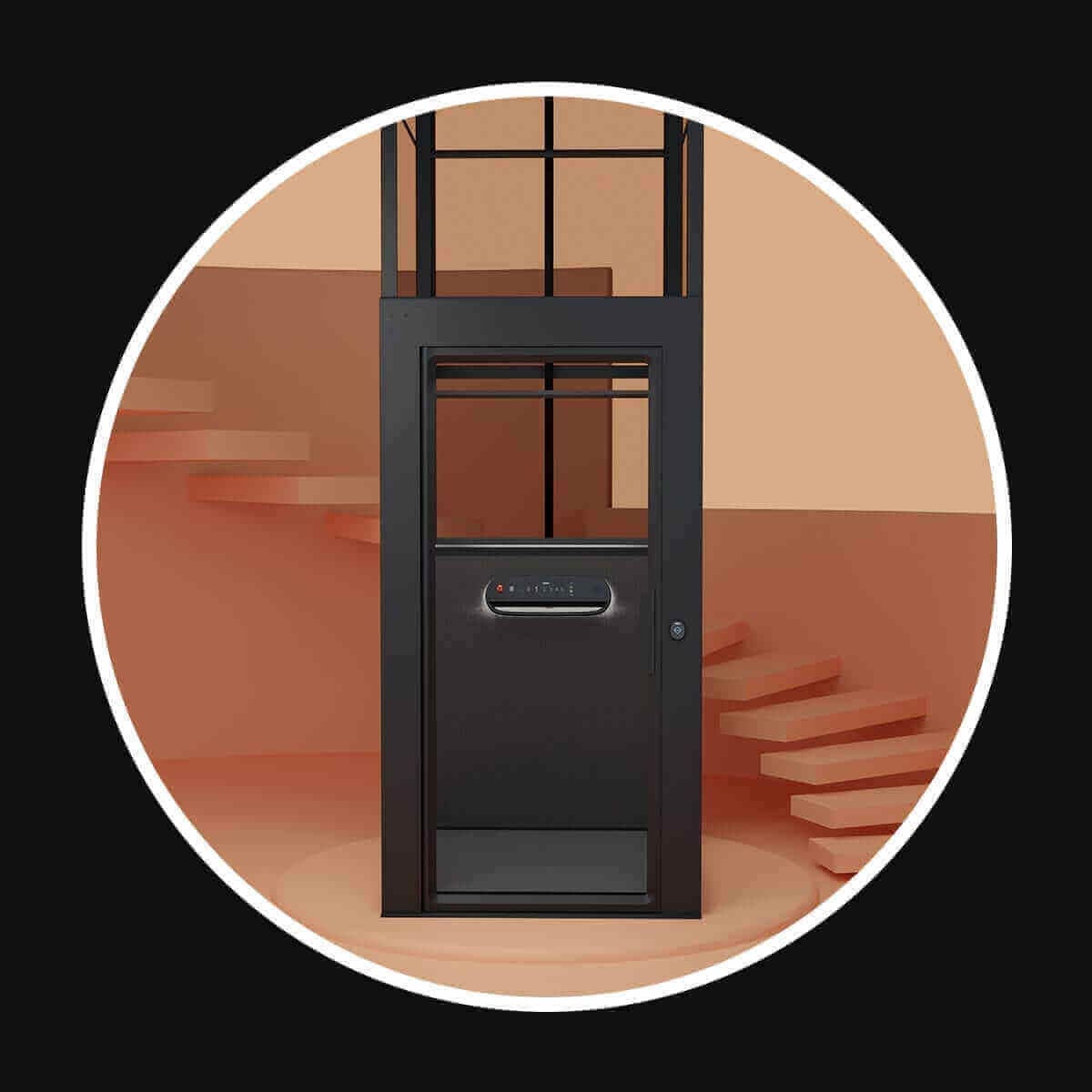
<p style=”text-align: center; font-size: 22px; color: #9dbaeb;”><span class=”underline-dark”>X80 Shaft Cabin Lift</span></p>
<p id=”x50-selector” style=”text-align: center; font-size: 22px; color: #fff;”>X50 Platform Lift</p>
<p id=”v70-selector” style=”text-align: center; font-size: 22px; color: #fff;”>X30 Shaft-less Cabin Lift</p>
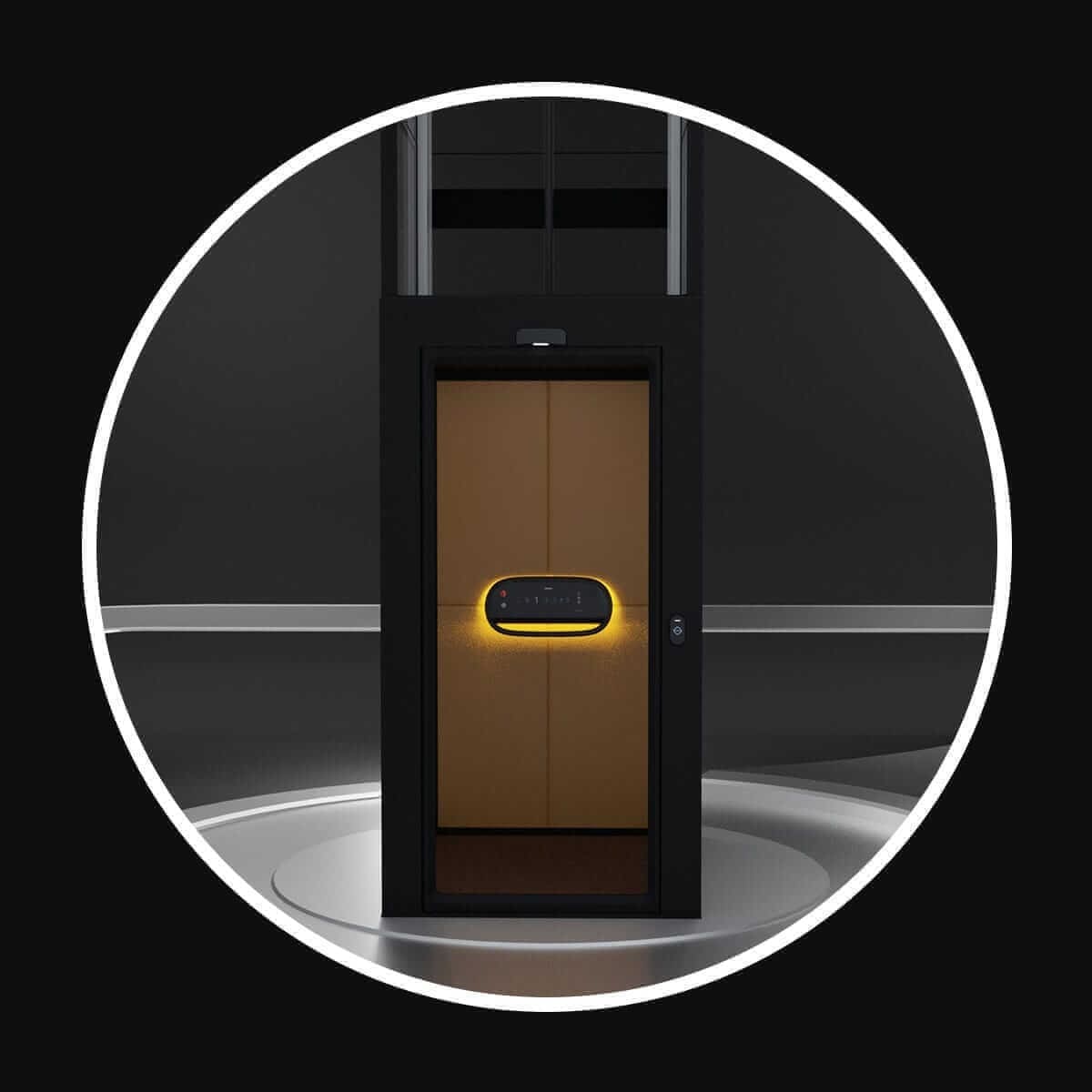
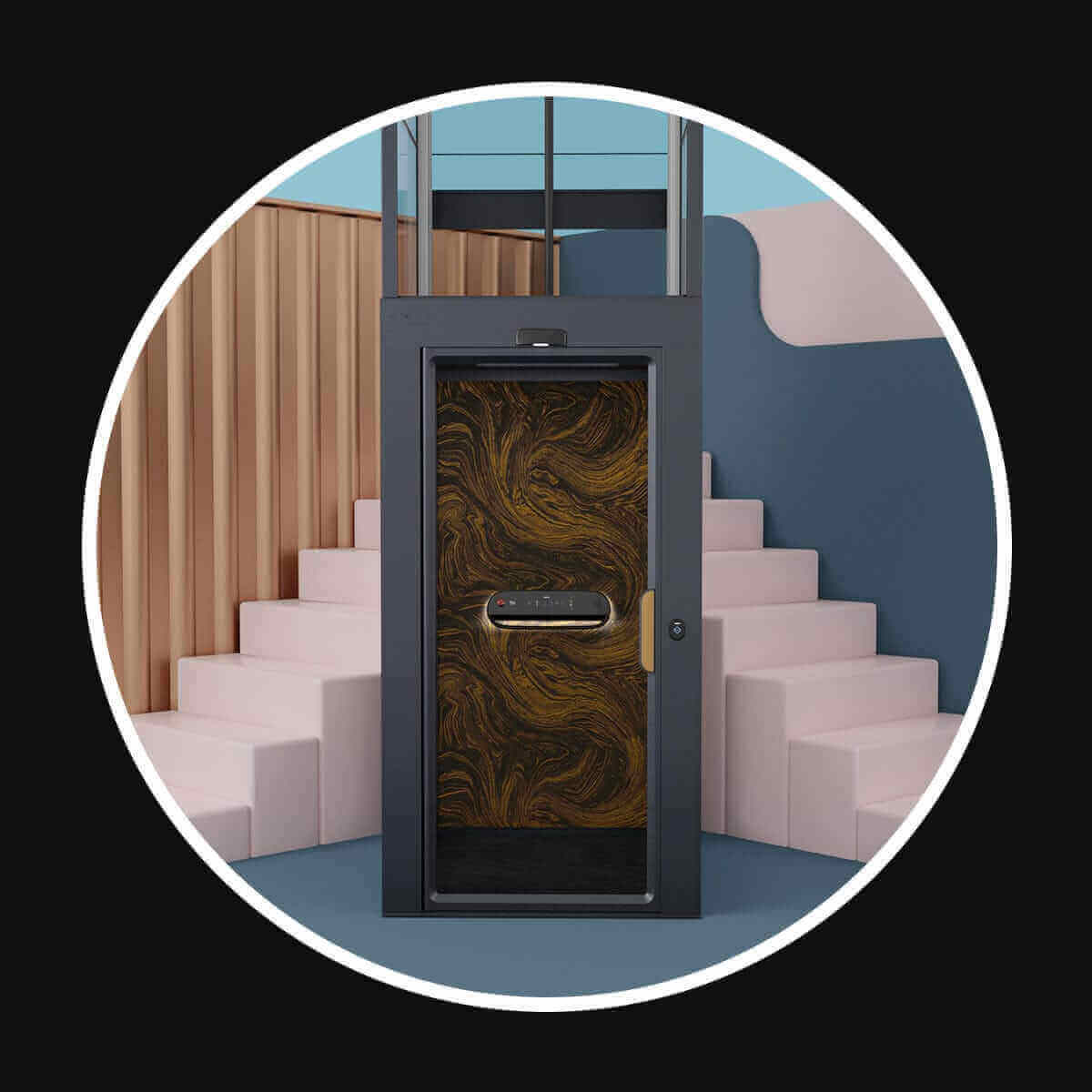
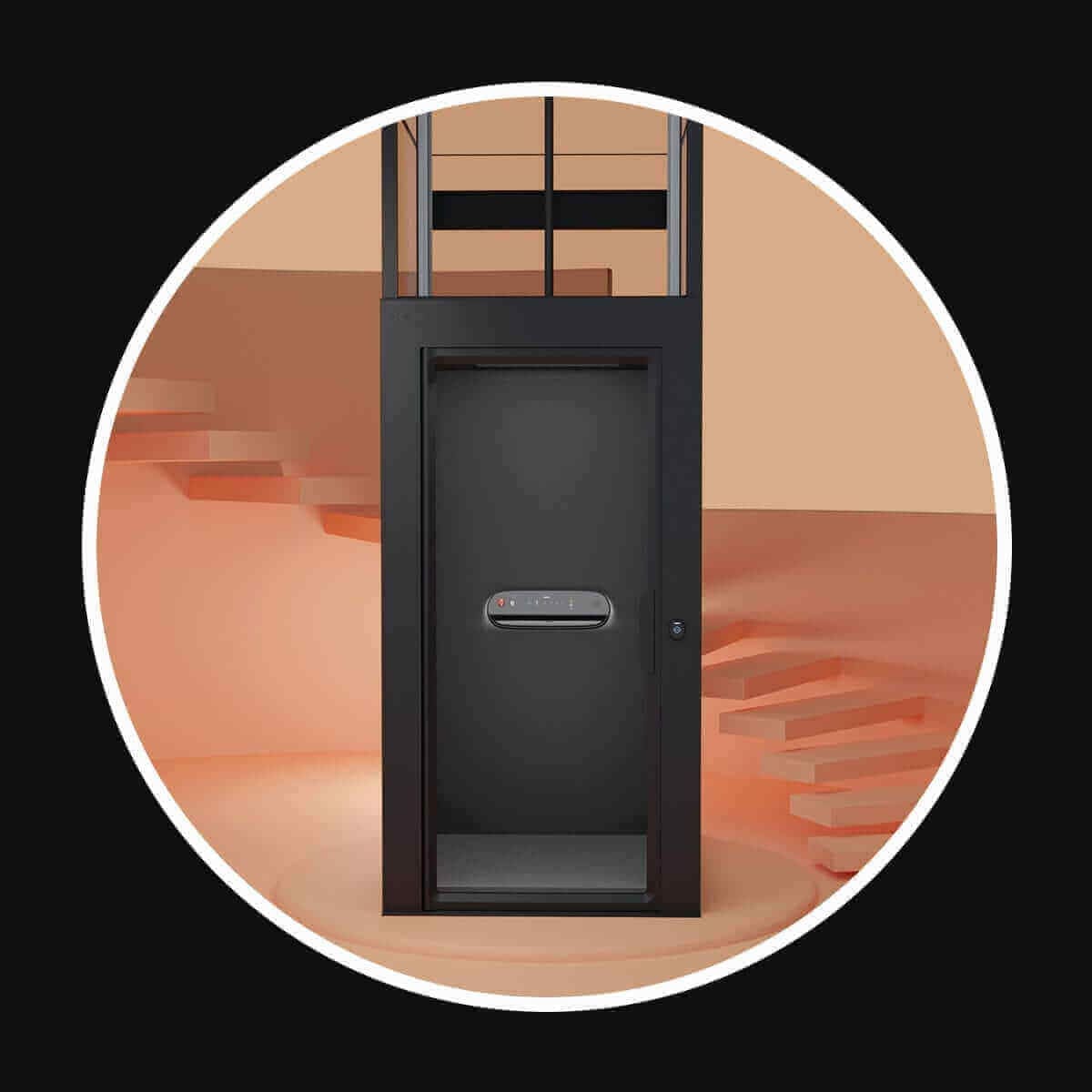
What Types of Home Lifts Are Available? Let’s Take a Look.

Lifts are a popular choice for modern society. Residential lifts are capable of accessing at least two floors in your home. Lifts are ideal for homes with more than one floor. A key advantage of lifts is their versatility; they can be built in various styles, making them a great option for transporting people or goods over multiple floors. Home lifts on the market come in many types, most developed using cutting-edge technology. The cost of these home lifts reflects both the complexity of the technology and the amount of work required for installation. Purchasing a lift for your home can be a straightforward process with proper planning and information. Home lifts are available in many types and styles. A good starting point is to learn about the different designs. The four most common types of lifts are:
How Do Home Lifts Work?
Your lift is built and programmed to travel from one floor to another with two or more stops. Each landing has a station button installed, and each landing must have a special door that locks and cannot be opened unless the lift is at the landing. Lifts should have cabin doors or gates to keep passengers safe while the lift is in motion. Inside the lift, there will be a cabin control panel (COP) to allow users to select the desired level or stop the lift in case of an emergency.
Machine Roomless Lifts This option means that the lift drive system does not require a separate machine room. The drive is integrated into the lift car instead. This means that less space is required for installation, making it the best option when you don’t have space nearby for a dedicated machine room.
Let’s look at the different types of home lifts to help you choose more easily, based on the information below:
Hydraulic System
Lifts move using energy generated from the movement of pressurized hydraulic oil through cylinders, resulting in a quiet and smooth ride. Hydraulic lifts move quickly and smoothly, and are superior to conventional lifts in their smooth movement, consistent speed, and ability to be placed on a flat surface without columns. They can be installed in prepared pits and are suitable for locations with low heights. However, hydraulic systems also have some disadvantages; they are generally more expensive and complex in the long run. Oil handling is messy, and leak removal in the system requires caution when handling hydraulic oil.

Screw-driven system
This technology has been used for many years and is still used today due to its reliability. It is known for saving space for small lifts or when a compact drive is required. In Europe, lifts invented for human passenger transport were screw-driven lifts, which use the principle of movement similar to a nut and washer. This movement is simple and safe, reducing the problem of lift falls. A key advantage is the ability to use glass on all sides, such as glass lifts, making them not opaque. The main components of a screw-driven lift are the engine, threaded steel rod, large driving nut, and power supply. With few components but high efficiency and the highest safety standards, 360-degree glass lifts are possible, but they may be slower than conventional systems due to safety as the primary consideration.

Traction system
This is a cable-operated lift, offering more versatility than hydraulic lifts. The lift car is lifted via an electric hoist connected to an electric motor. A gear system controls the balance of movement, resulting in energy efficiency and lower power consumption, as the motor requires minimal force to lift the passenger car. Furthermore, the passenger car and its counterweight keep the movement within a track, preventing swaying. It can travel an unlimited number of floors. However, this system requires more space and longer installation time than other systems.

Vacuum Lift
Vacuum lifts utilize simple physics principles as their core operating technique. This cutting-edge technology revolutionizes vertical and horizontal passenger transport with its rapid installation and unique design. The principle of operation is that electricity is only used for ascent; descent is achieved through air pressure combined with the lift’s weight. It’s ideal for use in confined spaces. Additionally, vacuum lifts do not require a machine room or lift pit. This means less hassle with maintenance. The downsides are: very limited lift size options, high price, and low passenger capacity.
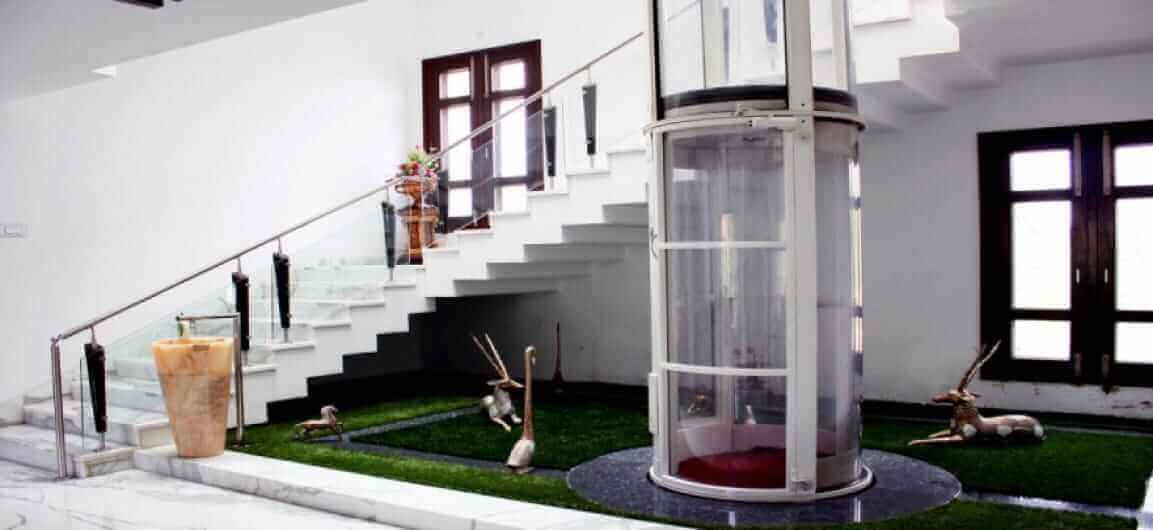
Image courtesy of celciussystems
Which Lift is Right for Your Home?
The popularity of home lifts has increased dramatically in recent decades, and the market continues to grow. Home lifts are a great solution for eliminating the need to mount a lift in the middle of a staircase. Compared to conventional lifts, home lifts are cheaper to purchase, install, and operate. They also take up less space and are quieter. Today’s lift manufacturers offer practical and safe solutions that have earned a reputation in the market. Which model is best for you or your project depends on your requirements. However, with so many models on the market, there’s definitely an option for everyone.
To determine which home lift is right for you, several factors need to be considered, such as available space for installation, the aesthetic appeal of the home lift, and the structural integrity of the home lift. A screw-type lift might be a good choice in these cases, but if you have a budget constraint, other options are available. For example, you could choose other, more affordable systems.
————————————————————————————————————————————————————————————————
When thinking about installing a home lift, think of KALEA Lift. We sell lifts of various types, models, and sizes, with many options to choose from. Home lifts that meet the needs of every home that wants a home lift that emphasizes high safety, ease of use, and customizable design. We have lifts with shafts, lifts that can be installed in existing shafts, penthouse lifts, lifts that don’t require a pit or machine room, swing doors, sliding doors, 5-sided clear glass shafts, and various floor locking systems.
Quick answer: What types of home lifts are available? Let’s take a look
Residential lifts are capable of accessing at least two floors in your home.
Verified facts to know
- KALEA and ANTERA screw-driven models are specified according to available space, travel height, entrances and intended load.
- The 2026 catalogue lists EN 81-41 and MD 2006/42/EC among the applicable product standards for the current X and Z ranges.
- A site survey is required to confirm cut-out dimensions, pit or ramp solution, headroom and installation scope.
Product facts are based on the KALEA Lift & ANTERA Lift Thailand 2026 catalogue. Project specifications vary by configuration and site conditions.
Frequently asked questions
What should you compare before choosing a lift type?
Compare user needs, space, number of floors, rated load, entrance arrangement, building work, safety standard, service support and lifetime operating requirements.
Is one lift type suitable for every building?
No. The correct solution depends on the building and its users, so dimensions and technical requirements must be checked for each project.
Related resources: Compare home lift options | Contact KALEA Lift & ANTERA Lift Thailand